

What is Inpit Crushing and Conveying (IPCC)? Benefits, Working & Applications
Mining and bulk material handling operations move enormous volumes of material every single day. For decades, trucks did most of that work. They hauled ore, coal, and overburden up steep ramps, out of the pit, and across the site. But as mines get deeper and production targets climb, truck haulage starts to show its limits. Fuel costs rise. Maintenance bills grow. Ramp gradients get harder to manage.
This is where inpit crushing and conveying (IPCC) changes the equation. So, what exactly is this technology, how does it work, what equipment does it depend on, and why are more mining, cement, and bulk material handling operations switching to it? This guide walks through all of it, along with where a turnkey bulk material handling manufacturer and engineering partner like Methods India fits into the picture.
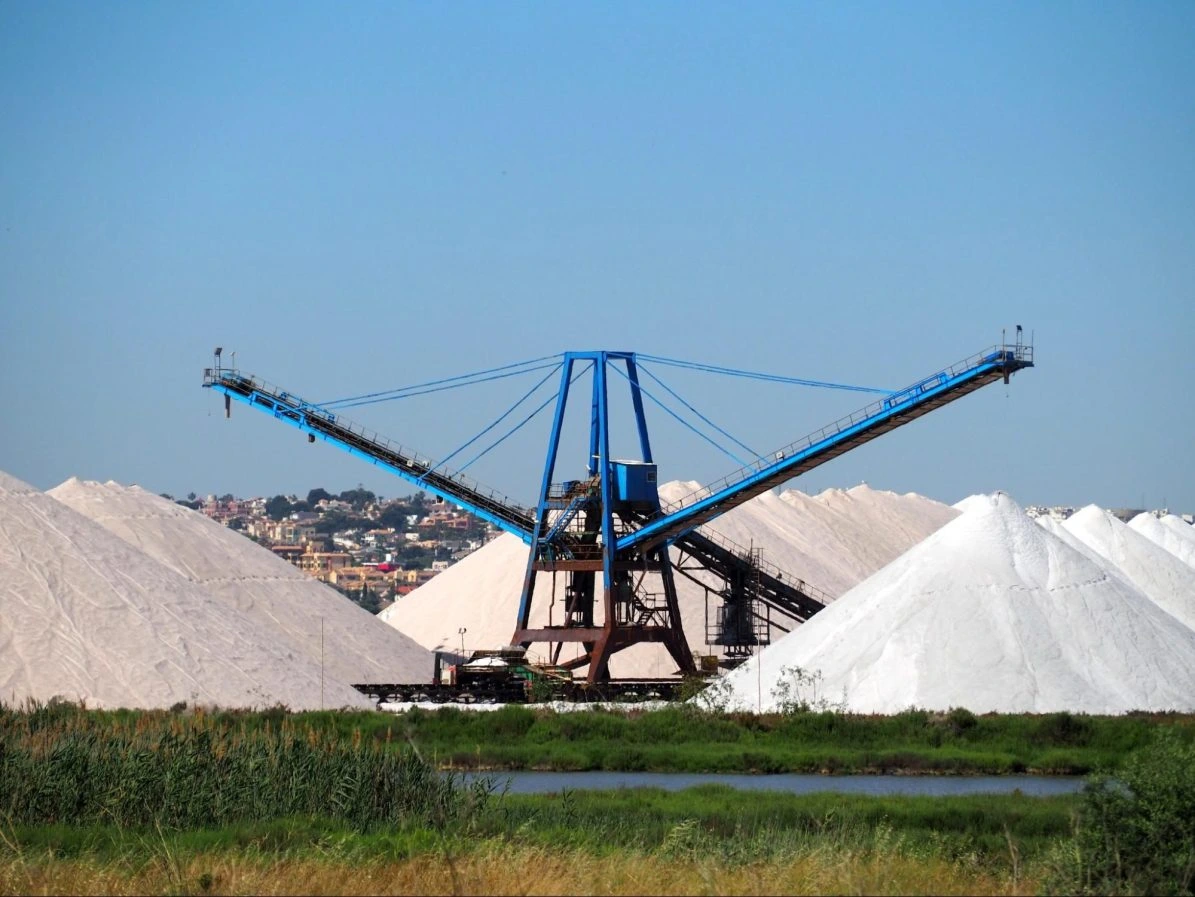
What is Inpit Crushing and Conveying (IPCC)?
Inpit crushing and conveying (IPCC) is a material handling method used in open-pit mines and large-scale crushing and screening operations. Instead of trucks hauling raw material all the way out of the pit, a crusher is positioned close to the mining face itself. The crusher reduces run-of-mine material to a manageable size right inside the pit. From there,a conveyor system, not a fleet of trucks, carries it out to the processing plant, the stockyard, or the waste dump.
So, the core idea behind inpit crushing and conveying (IPCC) is simple. Bring the crushing station to the material, instead of trucking the material to a distant, fixed crusher. This one shift, crusher-to-conveyor instead of truck-to-crusher, is what drives most of the cost,safety, and environmental benefits discussed later in this guide.
Why Inpit Crushing and Conveying (IPCC) is Replacing Truck Haulage?
So, why has this technology, which has existed since the 1950s, become a priority again for mine planners and plant operators? The answer comes down to scale and depth. As open-pit mines go deeper, haul roads get longer, ramp gradients get steeper, and the number of trucks needed to maintain output keeps climbing. Every additional truck adds diesel consumption, tyre wear, driver cost, and a bigger carbon footprint to the operation.
Conveyors don’t have this problem. A single conveyor system, once installed, can move material continuously at a fixed cost per tonne, regardless of how deep or how far the pit extends. So, mines and plants that once accepted truck haulage as the default are now evaluating inpit crushing and conveying (IPCC) as the more scalable, more sustainable long-term option,especially for high-tonnage operations in cement, coal, and metallurgical industries.
How Does Inpit Crushing and Conveying (IPCC) Work?
An inpit crushing and conveying (IPCC) system typically works in three stages. An excavator,shovel, or a small fleet of trucks loads run-of-mine material into the crusher. The crusher breaks it down to a size the conveyor system can handle. A network of belt conveyors, feeders, and transfer points then moves the crushed material out of the pit and into the plant.
The exact configuration depends on the mine’s depth, capacity, and how often the crushing station needs to move. There are three common setups.
1. Fixed IPCC Systems
Fixed systems sit outside the pit, or at a stable point within it, and don’t move once installed. This configuration works well for operations with a long, predictable production life, such as a cement plant drawing limestone from the same quarry face for years. Methods India’s Independent Design House (IDH) specializes in exactly this kind of custom structural design, engineering fixed crushing and conveying infrastructure around a client’s specific site layout, tonnage, and terrain.
2. Semi-mobile IPCC Systems
Semi-mobile systems are relocated periodically, usually once every one to ten years, as the mining or quarrying face advances. Trucks still cover the short distance from the face to the crusher, but the long-haul trucking out of the pit is eliminated entirely. This is the most common configuration for medium to large open-pit and quarry operations,because it balances upfront capital cost against long-term flexibility.
3. Fully mobile IPCC Systems
Fully mobile systems move continuously alongside the mining face, often mounted on crawler tracks.They suit softer materials and high-capacity operations where the crusher needs to relocate within days or hours, not years. So, whichever configuration a site chooses, the conveyor network is what makes the system work end to end. This is where Methods India’s four-decade track record in belt conveyors, pipe conveyors, and cross-country conveying becomes directly relevant.
Key Equipment Used in Inpit Crushing and Conveying (IPCC) Systems
So, an IPCC system is not just a crusher and a single conveyor belt. It’s a chain of equipment,each piece doing a specific job to keep material moving safely and continuously. Here are the components that typically make up the chain, and how Methods India’s product range maps onto each one.
1. Belt Conveyors and Cross-country Conveyors
The primary conveyor carries crushed material from the in-pit crusher out to the plant or stockyard, sometimes over several kilometres of varied terrain. Methods India has direct experience here, having executed a 450 TPH pipe conveyor project spanning 2.1 km for a sulphur export application for M/s. PETRONAS in Malaysia, along with cross-country conveyor systems for cement and mining clients across India and abroad.
2. Pipe conveyors
Pipe conveyors enclose the material inside a tubular belt, which is especially useful for IPCC routes that need to control dust, protect the material from weather, or navigate curves that a flat conveyor can’t handle. This is a core part of Methods India’s product line, built for exactly this kind of enclosed, long-distance transport.
3. Apron Feeders and Rake Elevators
Apron feeders sit right at the crusher discharge or the primary loading point, feeding material onto the conveyor at a controlled, consistent rate. Methods India manufactures apron feeders and rake elevators as part of its standard product range, and has delivered rake elevator systems for large sugar and process plant clients.
4. Stacker Reclaimers and Shuttle conveyors
Once material reaches the plant or stockyard end of an IPCC system, stacker reclaimers and shuttle conveyors distribute it across storage or feed it into the next stage of processing. Methods India has supplied shuttle belt conveyors and stacker reclaimer systems for clients including M/s. FFE Minerals India and international sugar processing operations.
5. Trippers and Transfer Points
Trippers redirect material from a single conveyor line to multiple stockpile or storage points,which matters when an IPCC layout needs to serve more than one destination. This is another area where Methods India’s turnkey scope, from design through erection and commissioning,covers the full transfer and tripper infrastructure, not just the conveyor belt itself.
Benefits of Inpit Crushing and Conveying (IPCC)
So, why are mining, cement, and aggregate operations actively moving toward inpit crushing and conveying (IPCC)? The benefits go well beyond simply cutting fuel costs.
1. Lower Operating Costs
Conveyors run on electricity, not diesel. Fewer trucks on site means lower fuel consumption,lower tyre and maintenance costs, and a smaller haulage labour bill. Depending on the mine and material, IPCC systems typically deliver cost savings of 20% to 40% compared to conventional truck haulage.
2. Reduced Environmental Impact
Diesel trucks are one of the largest sources of emissions on an active mine or quarry site. Replacing a large share of that fleet with conveyors cuts fuel use meaningfully and supports a site’s broader decarbonisation targets.
3. Continuous, Predictable Material Flow
Conveyors move material at a steady rate, without the stop-start pattern of truck loading and dumping cycles. This keeps the crushing plant, stockyard, or processing unit fed consistently,which supports better throughput planning.
4. Improved On-site Safety
Fewer trucks moving through the pit means less vehicle congestion, fewer blind spots, and a lower risk of collisions. On large, deep, or narrow-access sites, this is a significant safety gain, not just an operational one.
5. Better Scalability as Operations Get Deeper
As a pit or quarry gets deeper, ramp gradients and haul distances become harder to manage with trucks alone. A semi-mobile or fully mobile IPCC system adapts to this far more efficiently than simply adding more trucks to the fleet.
6. Lower Long-term Maintenance Burden
Haul roads need constant grading, drainage, and dust control. A well-engineered conveyor system, backed by the right structural design and fabrication quality, requires comparatively less ongoing site maintenance once commissioned.
Applications of Inpit Crushing and Conveying (IPCC)
Inpit crushing and conveying (IPCC) isn’t limited to metal ore mining. It applies wherever large volumes of material need to move efficiently from an extraction point to a processing or storage point. Common applications include:
- Coal mining, where conveyors move large tonnages toward power plant handling systems.
- Metal ore mining, including copper and iron ore operations.
- Aggregate crushing and screening plants, where mobile crushing units feed continuous conveyor lines.
- Cement plants, where raw materials like limestone, iron ore, and laterite move from quarry to plant.
- Integrated sugar complexes, where the same crushing-and-conveying logic applies to bagasse and biomass handling.
- Large-scale surface mining projects where haul distances are long and terrain is difficult to navigate with trucks.
Methods India already serves most of these industries directly, with executed turnkey projects spanning thermal and co-generation power plants, cement plants like M/s. Bharathi Cement and M/s. Nuvoco Vistas, integrated sugar operations, and metallurgical and mining process plants.
Challenges to Consider Before Adopting Inpit Crushing and Conveying (IPCC)
So, IPCC isn’t the right fit for every site, and it’s worth being upfront about that. The upfront capital investment is significant, since it involves engineering a crusher, conveyor network, and supporting structures rather than simply adding trucks to an existing fleet. The system also needs a long enough mine or quarry life to depreciate that investment and realise the lower operating costs over time.
Layout flexibility matters too. A fixed system offers the lowest cost per tonne but the least flexibility, while a fully mobile system offers the most flexibility at a higher cost. Getting this trade-off right depends on accurate mine planning and an experienced structural design partner, which is exactly why the engineering and design phase of an IPCC project deserves as much attention as the equipment itself.
Why Choose Methods India for Inpit Crushing and Conveying (IPCC) Projects?
So, an IPCC system is only as reliable as the engineering, fabrication, and commissioning behind it. Methods (India) Private Limited has been in this business since 1982. Today, Methods India operates from a 1,80,000 sq. ft. facility in Hoskote Industrial Area, Bangalore, backed by a team of 450+ employees and an Independent Design House (IDH) dedicated to custom engineering for bulk material handling systems.
The company’s execution record covers the full IPCC equipment chain discussed above,including a 450 TPH, 2.1 km pipe conveyor for M/s. PETRONAS in Malaysia, a conveyor gallery mock-up assembly for M/s. ACC’s Marwar Mundwa project, bolted conveyor structures for M/s. Petronas Chemical Fertilizers’ ammonia urea handling system, and turnkey coal and mineral handling systems for M/s. Bharathi Cement and M/s. Nuvoco Vistas Corp. With installations
across 36 countries and offices in Bangalore, Chennai, Hyderabad, Sri Lanka, and Australia, Methods India brings both the design capability and the on-ground execution experience an IPCC project needs, from the first structural drawing to final erection and commissioning.
If you’re evaluating an inpit crushing and conveying (IPCC) system for your mine, quarry, or plant, Methods India’s structural design, fabrication, and bulk material handling expertise can help you plan a setup built around your site’s terrain, tonnage, and long-term production goals.