

Companies Providing Complete Inpit Crushing and Conveying Systems
Mining operations across the world are under constant pressure to reduce costs and improve throughput. One of the most significant changes happening in modern mining is the shift from traditional truck haulage to complete inpit crushing and conveying systems. This shift is not just a trend. It is a practical response to rising fuel costs, deeper pits, longer haul distances, and growing environmental regulations.
If you are looking at inpit crushing as a solution for your mine, this blog covers everything you need to know. What the system involves, why companies are moving towards it, and what to look for when choosing a partner to design and deliver a complete system.
What Is Inpit Crushing and How Does It Work?
Inpit crushing refers to the process of crushing mined material directly inside the pit or mine before workers transport it to the surface or processing plant. Instead of loading run-of-mine material onto haul trucks and driving it out of the pit, operators crush the material at or near the extraction point and then convey it out using belt conveyor systems.
A complete inpit crushing and conveying system, often called IPCC, generally includes a primary crusher installed inside or at the edge of the pit, a series of belt conveyors that carry the crushed material to the surface or processing plant, and associated equipment like feeders, transfer stations, and control systems.
The crusher reduces large rocks and ore to a manageable size. Once crushed, the material is small enough to be carried efficiently on a belt conveyor over long distances. This eliminates or significantly reduces the fleet of haul trucks that operators would otherwise need.
Methods India has been designing and building bulk material handling systems for mining operations for over 40 years. We build our conveyor systems to integrate with primary crushing stages and handle the demands of continuous, high-volume material flow from extraction point to processing plant.
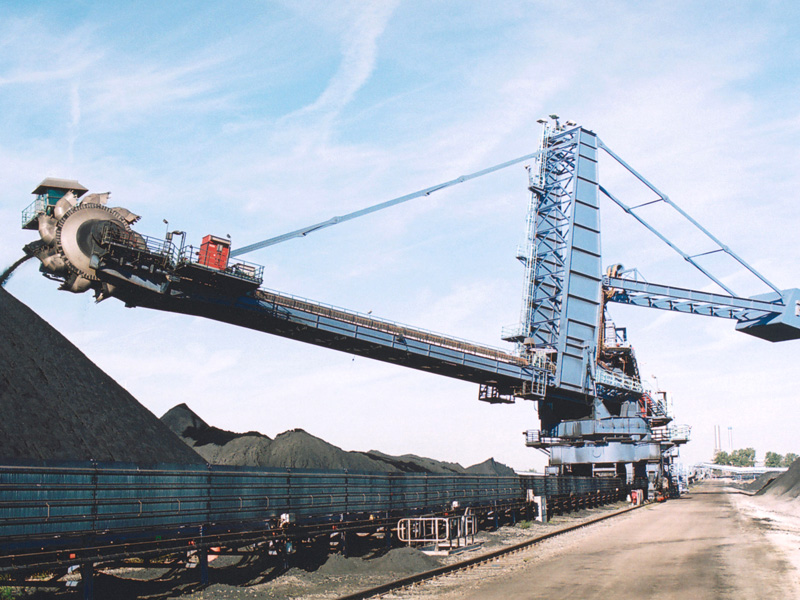
Why Mining Companies Are Choosing Inpit Crushing Over Truck Haulage
The case for inpit crushing gets stronger as mines get deeper and older truck-based systems become harder to justify. Here is why so many mining companies are making the switch.
Fuel and operating costs drop significantly. Haul trucks consume enormous amounts of diesel. As pits deepen, haul distances increase and cycle times get longer. Fuel costs can account for 30 to 50 percent of total haulage costs in large open pit mines. An inpit crushing and conveying system replaces a large portion of this with electric belt conveyors, which cost far less to run per tonne of material moved.
Fewer trucks means fewer people and less complexity. Truck fleets need drivers, mechanics, spare parts, tyre management, and road maintenance. Reducing the truck fleet through inpit crushing simplifies operations and cuts indirect costs that often go unnoticed.
Belt conveyors are more consistent than trucks. Conveyors run continuously. They do not get stuck in traffic, break down as frequently as trucks, or depend on shift schedules. This gives the plant a more reliable and predictable material flow which is critical for consistent downstream processing.
Safety improves significantly. Fewer trucks moving around the pit means fewer opportunities for accidents. Inpit crushing reduces the number of vehicles operating in the pit at any given time. Combined with enclosed belt conveyors that minimise dust and contain material, the working environment becomes considerably safer.
Environmental impact reduces. Lower diesel consumption means lower emissions. Enclosed conveyors contain dust that would otherwise be a problem in open truck haulage. This helps mines meet increasingly strict environmental standards.
Methods India has built cross-country and mining conveyor systems to handle exactly these requirements. We engineer our conveyors for long distances, high capacities, and challenging terrains in open pit environments.
Key Components of a Complete Inpit Crushing and Conveying System
Understanding what goes into a complete inpit crushing system helps you evaluate the companies that offer them. A full system is not just a crusher and a belt. It requires careful integration of multiple components that all need to work together reliably.
Primary Crusher
The primary crusher is the heart of the inpit crushing system. The operator positions it at or near the excavation face to receive run-of-mine material directly from the blasting or loading operation. The most common types used in inpit crushing applications are gyratory crushers and jaw crushers. The crusher reduces large rocks to a size suitable for belt conveyor transport, typically below 300mm depending on the belt and material specifications.
Feeder Systems
Between the excavation equipment and the crusher, a feeder regulates the flow of material into the crusher. Apron feeders and heavy-duty belt feeders are commonly used here. They handle large, irregular lumps and control the rate at which material enters the crusher. A properly designed feeder prevents the crusher from being overloaded or starved, which disrupts the entire system.
Methods India manufactures apron feeders and drag chain feeders that suit this demanding duty.
Primary Belt Conveyor
Once the material is crushed, it is loaded onto the primary belt conveyor inside or at the pit edge. This conveyor must handle high capacities, steep inclines, and abrasive material. It typically runs from the crusher location up the pit wall to the surface. The design of this conveyor, including belt width, speed, inclination, and structural support, is critical to the performance of the entire system.
Our belt conveyors at Methods India are engineered with high-tensile belts, heavy-duty idlers, self-aligning rollers, and PLC-based controls. They are designed to handle continuous operation in harsh mining environments.
Overland or Cross-Country Conveyors
After the material reaches the surface, it usually needs to travel a considerable distance to the processing plant or stockpile. This is where cross-country conveyors come in. These conveyors span large distances, sometimes several kilometres, across uneven terrain. They replace the haul road that trucks would otherwise use.
Methods India builds cross-country conveyor systems up to 5 km long. They use bolted modular structures that can be assembled on site and designed to navigate the natural terrain of the mine site.
Transfer Stations
Where one conveyor meets another, transfer stations ensure material moves smoothly from one belt to the next. Poor transfer point design causes spillage, dust, and belt damage. Well-designed transfer stations with custom chutes, skirtboards, and dust seals keep material contained and reduce maintenance at these critical points.
Control and Automation Systems
A complete inpit crushing and conveying system needs a centralised control system. PLC and SCADA-based automation controls crusher speed, belt speed, feeder rate, and monitors alignment, load, temperature, and vibration across the entire system. Emergency stop systems, belt slip sensors, and remote monitoring allow operators to manage the full system from a central control room.
Methods India integrates PLC-based controls across all conveyor systems, giving operators full visibility and control over material flow from the pit to the plant.
Inpit Crushing Applications Across Different Mining Sectors
Inpit crushing is not limited to one type of mine. It is used across a wide range of materials and mining operations. Understanding where inpit crushing is applied helps mining companies see whether it fits their specific operation.
Coal Mining
Coal mines were among the first to adopt inpit crushing on a large scale. ROM coal from the excavation face is fed into the inpit crusher, sized down, and then conveyed to the coal handling plant or stockpile. This is especially useful in large open-cut coal operations where haul distances are long and throughput requirements are high.
Methods India’s belt conveyor systems have been used extensively in coal handling applications, transporting material from extraction points to washeries and power stations continuously.
Iron Ore and Bauxite Mining
Hard rock mines for iron ore and bauxite deal with extremely abrasive material and heavy loads. Inpit crushing with robust gyratory crushers and high-tensile belt conveyors has proven very effective in these operations. The abrasion-resistant belts and heavy-duty idlers that Methods India uses in their conveyor systems are built specifically for this type of material.
Limestone and Aggregate Quarrying
Cement plants and aggregate operations that mine limestone or hard rock use inpit crushing systems to reduce material at the quarry face before conveying it to the plant. This is a well-established application that reduces truck movements in and around the quarry, which are often located close to populated areas.
Methods India has supplied conveyor systems to limestone and clinker handling operations across India and internationally, including projects for major cement manufacturers.
What to Look for in a Company Providing Complete Inpit Crushing and Conveying Systems
Choosing the right partner for a complete inpit crushing and conveying system is one of the most important decisions you will make for your mining operation. The system will be in place for years and its performance will directly impact your operating costs and production targets.
End-to-End Capability
The best companies offer complete turnkey execution. This means they design, fabricate, supply, install, and commission the entire system. When one company is responsible for the complete system, integration between the crusher, feeder, conveyor, and control system is far more reliable. You avoid the problems that come from trying to coordinate between multiple vendors.
Methods India offers complete turnkey execution of bulk material handling systems. Designing, fabrication, and installation all happen under one roof at our facility in Bangalore.
In-House Design and Fabrication
Companies that design and fabricate in-house have better control over quality and lead times. They can also customise the system to suit your specific site conditions, material characteristics, and throughput requirements. An off-the-shelf solution rarely fits the specific demands of a mining site perfectly.
At Methods India, we have an Independent Design House (IDH) that handles structural design and customisation of every system we build. Our fabrication facility spans 1,80,000 sq. ft. and employs over 450 people. Everything is done in-house.
Experience in Mining Applications
Inpit crushing and conveying systems operate in some of the most demanding conditions in any industry. Deep pits, abrasive materials, high capacities, and continuous operation leave no room for weak design. You need a company that has proven experience in mining conveyor systems specifically.
Methods India has over 40 years of experience building conveyor systems and bulk material handling equipment for mining, cement, power, and steel industries. Our systems have been installed in 36 countries and counting.
Compliance and Quality Certifications
Mining operations are subject to strict regulations around safety and environmental performance. The company you choose must meet recognised standards. Methods India’s systems comply with ISO 9001:2015, ISO 14001:2015, and ISO 45001:2018. This matters not just for audits but for the long-term reliability and safety of your system.
How Methods India Supports Complete Inpit Crushing and Conveying Projects
Methods India is not a crusher manufacturer, but we are the complete conveying side of an inpit crushing system. We work alongside crusher suppliers to deliver the full material handling solution from the discharge of the primary crusher all the way to the processing plant or stockpile.
Our scope in an inpit crushing and conveying project typically covers primary conveyor systems from the crusher discharge, overland cross-country conveyors across the mine site, shuttle and tripper conveyors for stockpile management, transfer stations and chute systems between conveyors, and complete PLC and SCADA-based automation for the entire conveying system.
We have built systems for coal mines, limestone quarries, iron ore operations, and aggregate plants. Our conveyor systems are engineered to handle high capacities continuously, with abrasion-resistant belts, heavy-duty frames, and predictive maintenance sensors that reduce downtime and extend equipment life.
If you are evaluating inpit crushing for your mine and need a reliable partner for the conveying system, Methods India has the experience, the facility, and the engineering capability to deliver. Visit our website for project details and get in touch with our team to discuss your specific requirements.
Conclusion: Inpit Crushing Is the Future of Efficient Mining
Inpit crushing and conveying is one of the most effective ways to reduce operating costs, improve safety, and increase productivity in open pit mining. As mines get deeper and fuel costs continue to rise, the case for replacing haul trucks with continuous conveyor systems grows stronger every year.
A complete inpit crushing system requires careful planning and the right partner. You need a company that understands mining environments, can design and fabricate systems in-house, and has the experience to deliver reliable performance over years of continuous operation.
Methods India has been building bulk material handling systems for mining and heavy industry for over 40 years. Our conveyor systems are built for demanding mining environments and are trusted by clients across 36 countries. Reach out to us today to learn how we can support your inpit crushing and conveying requirements.
FAQs
What is inpit crushing and conveying?
Inpit crushing and conveying, or IPCC, is a mining method where the material is crushed inside or at the edge of the open pit and then transported to the surface or processing plant using belt conveyors. It replaces or reduces the need for haul trucks.
Is inpit crushing suitable for all types of mines?
Inpit crushing works best in large open pit mines with high throughput requirements and long haul distances. It is widely used in coal, iron ore, bauxite, limestone, and aggregate mining. Each mine is different so the suitability depends on pit geometry, material type, and production targets.
What is the biggest advantage of inpit crushing over truck haulage?
The biggest advantage is the significant reduction in operating costs. Conveyor systems consume far less energy per tonne of material moved compared to diesel-powered haul trucks. This cost saving increases as the mine deepens and haul distances grow.
Does Methods India supply complete inpit crushing systems?
Methods India specialises in the complete conveying side of inpit crushing systems. We supply primary conveyors from the crusher discharge, cross-country overland conveyors, transfer stations, and full PLC-based automation. We work alongside primary crusher suppliers to deliver the complete material handling solution.
How long does it take to commission an inpit crushing conveying system?
The timeline depends on the scale of the project. Methods India handles design, fabrication, and installation in-house which helps reduce lead times and ensures better coordination across the project.