

How PLC and SCADA Improve Coal Handling Plant Operations?
Coal handling is one of the most demanding operations in power plants, steel mills, and cement plants. It involves receiving, unloading, crushing, screening, storing, and feeding coal in a continuous and controlled manner. Any disruption in this process can slow down or even stop the entire plant. This is where PLC and SCADA systems make a big difference. They automate and monitor every stage of coal handling. They reduce manual intervention, improve safety, and keep coal flowing without interruption.
In this detailed guide, we explain what PLC and SCADA are, how they work in coal handling plants, the key benefits they bring, and how Methods India integrates automation into its coal handling systems.
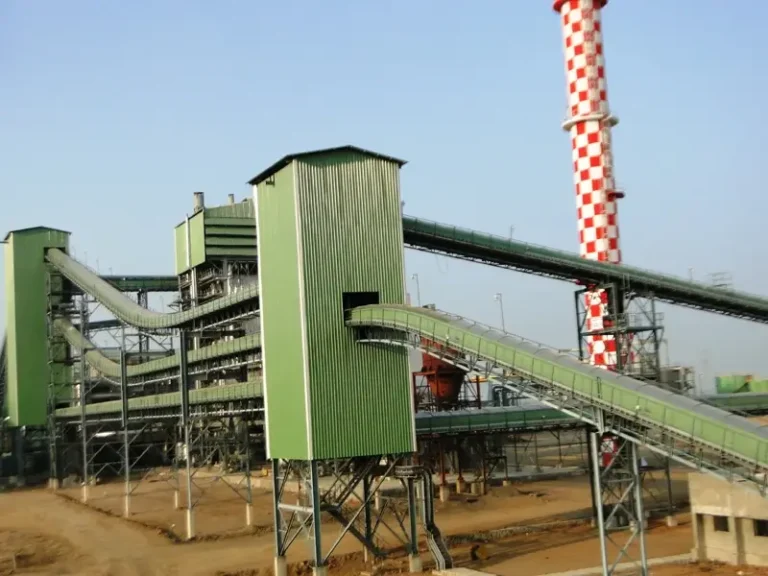
What is a PLC and What Does It Do in a Coal Handling Plant?
A Programmable Logic Controller, or PLC, is an industrial computer that controls machines and processes. It reads inputs from sensors and switches, processes them based on a pre-programmed logic, and sends output signals to motors, valves, and actuators. In a coal handling plant, a PLC manages the start and stop sequences of conveyors, crushers, feeders, and screens. It also monitors running conditions and takes protective actions when something goes wrong.
For example, if a conveyor belt becomes misaligned or a motor draws too much current, the PLC detects this instantly and shuts down the affected equipment. This protects machines from serious damage. PLCs are designed for industrial environments. They are resistant to dust, moisture, vibration, and electrical interference — all of which are common in coal handling plants.
What is a SCADA System and How Does It Work in Coal Handling?
SCADA stands for Supervisory Control and Data Acquisition. It is a software-based system that collects data from PLCs and field instruments, displays it on a central screen, and allows operators to monitor and control the entire coal handling plant from one location. In a coal handling plant, SCADA gives operators a complete real-time view of the system. They can see which conveyors are running, what speed the feeders are operating at, how full the coal bunkers are, and whether any alarms are active.
SCADA does not replace the PLC. Instead, it works alongside it. The PLC handles the fast, real-time control of equipment. The SCADA handles the visualisation, data logging, reporting, and supervisory commands. Together, PLC and SCADA form a powerful coal handling plant control system that improves efficiency, safety, and reliability.
How Do PLC and SCADA Work Together in a Coal Handling System?
The PLC and SCADA system in a coal handling plant operate as a two-layer control system. The field layer consists of sensors, switches, drives, motors, and actuators connected directly to the PLCs. The PLC reads signals from this layer and controls equipment in real time.
The supervisory layer is where SCADA sits. It communicates with the PLCs using industrial protocols like Modbus, Profibus, or Ethernet/IP. It collects data, displays system status, stores historical logs, and sends high-level commands when the operator intervenes.
Here is how they work together in a typical coal handling sequence:
- An operator starts the coal unloading sequence from the SCADA screen.
- The SCADA sends the command to the PLC
- The PLC starts each piece of equipment in the correct sequence — from the discharge end backwards — to prevent coal from piling up.
- Sensors feed back signals to the PLC to confirm each machine has started correctly.
- SCADA displays the live status of each machine, conveyor speed, coal flow rate, and alarm status.
- If a sensor detects a problem, the PLC trips the affected equipment. SCADA logs the event and raises an alarm for the operator.
This integrated PLC-SCADA approach gives coal handling plants the control and visibility they need to run safely and efficiently.
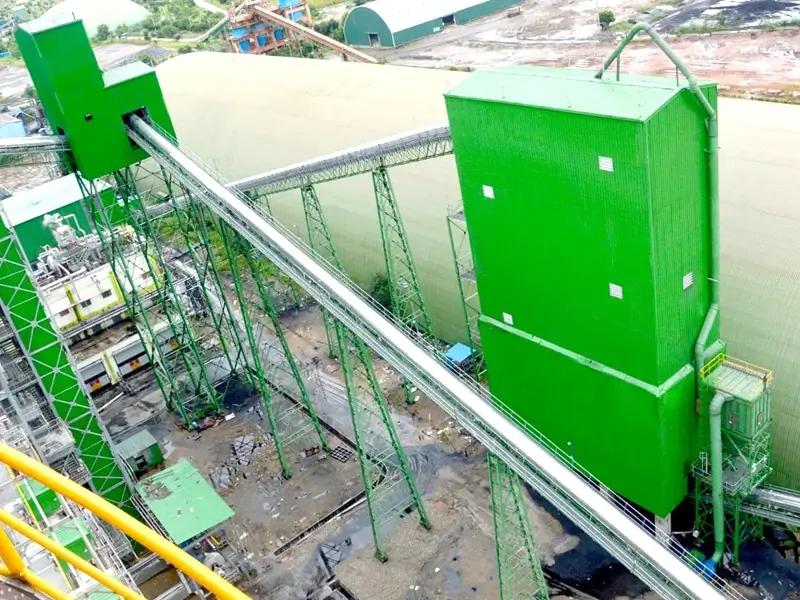
What Are the Key Functions of PLC and SCADA in Coal Handling Plants?
PLC and SCADA systems handle a wide range of functions in a coal handling plant. Here is a detailed look at the most important ones:
Automated Sequential Start and Stop of Equipment
In a coal handling plant, equipment must start and stop in a specific order. If a crusher starts before the conveyor below it is running, coal will pile up and cause blockages.A PLC manages this sequencing automatically. It follows a pre-programmed logic to start equipment in the right order. It also waits for confirmation from each machine before starting the next one. During shutdown, the sequence is reversed to clear coal from all conveyors before stopping.
This automated interlocking reduces human error and protects equipment from overloading and blockages.
Coal Flow Monitoring and Control
Maintaining the right coal flow rate is critical. Too much coal can choke crushers and conveyors. Too little coal can starve boilers and interrupt power generation.PLCs connected to belt weighers, flow meters, and level sensors monitor coal flow in real time.They adjust feeder speeds automatically to maintain the target flow rate. SCADA displays this information to operators and logs it for performance reporting.
This level of coal flow control improves efficiency and reduces material wastage.
Conveyor Belt Protection and Monitoring
Coal conveyor belts are expensive and critical assets. PLC and SCADA systems include several protection functions for conveyor belts:
- Belt misalignment detection — sensors detect if the belt drifts off its path and the PLC stops the conveyor before the belt tears.
- Belt slip detection — speed sensors compare motor speed with belt speed. If there is slippage, the PLC raises an alarm.
- Blocked chute detection — level switches in chutes detect blockages and stop upstream conveyors to prevent coal piling.
- Emergency pull-cord switches — operators can stop any conveyor instantly by pulling a rope along the conveyor length.
All these protective trips are logged in the SCADA system. Operators can review the history and take preventive action to avoid repeated faults.
Coal Stockpile and Bunker Level Management
Managing coal stockpile levels and bunker levels is an important part of coal handling plant operations. Too little coal in storage can disrupt plant operations. Overfilling bunkers causes structural stress and handling issues. PLCs receive level signals from radar, ultrasonic, or load-based level sensors installed in coal bunkers and stockpile areas. They use this data to control the stacker and reclaimer operations automatically. When a bunker reaches a low-level alarm, the PLC automatically activates the reclaimer to restore the coal supply.
SCADA displays all bunker and stockpile levels on a single screen. Operators can set high and low level alarms and change the target levels based on the plant’s coal consumption rate.
Crusher and Screen Control
Coal crushers and vibrating screens are integral to the coal preparation process. They break coal down to the required size before it reaches the boilers or kilns.PLCs control crusher start-up sequences, including pre-start checks for oil pressure, cooling water flow, and bearing temperature. They also monitor crusher load and vibration during operation. If the crusher is overloaded or vibration increases beyond safe limits, the PLC reduces the feeder speed or stops the crusher to prevent damage.
SCADA tracks crusher performance data over time. This helps the maintenance team plan servicing intervals and identify early signs of mechanical wear.
Dust Suppression System Control
Dust is a major challenge in coal handling plants. Excessive coal dust affects visibility, creates health hazards for workers, and poses a fire or explosion risk.PLCs control dust suppression systems by activating water sprays at transfer points, crusher inlets, and conveyor loading zones. The system triggers automatically when a conveyor starts and shuts off after a set delay when the conveyor stops. This prevents water from pooling on the belt when coal is not being moved.SCADA logs dust suppression system activity. If a spray valve fails to open, an alarm is raised so maintenance can respond quickly.
Fault Detection, Alarm Management, and Reporting
One of the biggest advantages of PLC and SCADA in coal handling is the ability to detect and manage faults quickly. Every sensor trip, motor fault, and equipment alarm is recorded in the SCADA system with a time stamp.Operators can view a live alarm list, check the cause of a fault, and reset equipment once the issue is resolved. Maintenance teams can use historical alarm data to find patterns and fix recurring problems before they cause unplanned downtime.SCADA systems also generate production reports automatically. These reports show coal throughput, equipment uptime, energy consumption, and alarm statistics. Plant managers use this data for decision-making and performance improvement.
What Are the Benefits of PLC and SCADA in Coal Handling Plants?
Implementing a PLC and SCADA based coal handling plant control system delivers several important benefits:
Higher Operational Efficiency
Automated coal handling systems run continuously without the delays caused by manual operation. Conveyors start and stop at the right time, coal flow rates stay within target limits, and the system adjusts automatically when conditions change. This increases plant throughput and reduces idle time.
Improved Plant Safety
Coal handling plants involve moving equipment, heavy loads, high voltage drives, and combustible dust. PLC-based protection trips remove personnel from hazardous situations. Emergency stops, belt protection systems, and automated shutdown sequences prevent equipment from operating in dangerous conditions.SCADA provides real-time alarm management. Operators receive early warnings before minor problems become major failures.
Reduced Manual Labour and Human Error
Before automation, coal handling plants required large teams of operators to monitor equipment, adjust feeders, and respond to faults. With PLC and SCADA, most of these tasks are handled automatically. Fewer operators are needed on the plant floor, and the risk of human error is significantly reduced.
Faster Fault Response and Lower Downtime
When a fault occurs in a manually operated plant, it can take time for operators to identify the problem, locate the affected equipment, and take corrective action. A PLC detects faults instantly and responds within milliseconds. SCADA notifies operators immediately with a detailed alarm message.This faster response reduces unplanned downtime and protects equipment from secondary damage.
Better Energy Management
PLC and SCADA systems track energy consumption across the plant. Variable frequency drives (VFDs) are controlled by PLCs to run motors at the optimum speed based on actual coal load. This reduces energy wastage during low-load conditions.SCADA generates energy reports that help identify high-consumption areas. Plant managers can use this information to reduce energy costs.
Easy Integration with Other Plant Systems
Modern PLC and SCADA systems can integrate with the plant’s Distributed Control System (DCS), Enterprise Resource Planning (ERP) software, and maintenance management systems.This gives management a complete view of coal handling performance alongside other plant processes.
Where Exactly Is PLC and SCADA Used in a Coal Handling Plant?
PLC and SCADA control systems are used at every stage of the coal handling process:
- Coal Unloading — wagon tipplers, truck dumpers, and ship unloaders are controlled by PLCs with SCADA monitoring.
- Coal Conveying — belt conveyors, bucket elevators, and pipe conveyors are fully automated with PLC interlocking and SCADA visualisation.
- Coal Crushing — ring granulators, jaw crushers, and roll crushers are managed by PLCs with protection monitoring on SCADA.
- Coal Screening — vibrating screens are started and stopped by PLCs based on coal flow.
- Coal Stacking and Reclaiming — stackers, reclaimers, and tripper cars are controlled by PLCs. SCADA manages stacking profiles and reclaimer scheduling.
- Coal Bunker Feeding — coal feeders to boiler bunkers are controlled automatically based on bunker level signals received by the PLC.
- Dust Suppression — automated sprinkler and spray systems are triggered by PLCs at transfer points and crusher zones.
What Equipment and Sensors Feed Data into PLC and SCADA in Coal Handling?
A reliable PLC and SCADA system depends on accurate data from field instruments. Here are the key instruments used in coal handling automation:
Belt weighers — measure the coal flow rate on conveyors.
Speed sensors — detect belt speed and compare with motor speed to identify slippage.
Belt alignment switches — detect lateral drift of conveyor belts.
Level sensors — measure coal levels in bunkers, hoppers, and stockpile areas.
Temperature sensors — monitor bearing and motor temperatures.
Vibration sensors — detect abnormal vibrations in crushers and screens.
Current transducers — monitor motor current to detect overloading.
Proximity switches — detect door positions, guard positions, and chute blockages.
Pull-cord switches — allow personnel to stop conveyors in an emergency.
All these signals are connected to PLC input modules. The PLC processes them according to the control logic and sends the results to SCADA for display and logging.
How Does Methods India Integrate PLC and SCADA into Its Coal Handling Systems?
Methods India designs and delivers complete coal handling plant systems with integrated PLC and SCADA automation. With over 40 years of experience in bulk material handling, Methods India understands the specific control and monitoring needs of coal handling operations in power plants, steel mills, and cement plants.
Here is how Methods India brings PLC and SCADA capabilities into its coal handling solutions:
Turnkey Coal Handling Systems with Built-in Automation
Methods India provides complete turnkey execution for coal handling plants. This includes the structural design, fabrication, installation, and commissioning of all equipment including the PLC and SCADA control system. The entire system is designed and integrated under one roof, which means the automation is tailored to the specific plant layout and coal handling requirements from the very beginning.
This approach ensures there are no integration gaps between the mechanical equipment and the control system. Every conveyor, crusher, feeder, and dust suppression system is connected to the PLC and monitored through SCADA before the plant goes live.
PLC-Based Safety and Interlocking for Coal Conveyors
Methods India’s coal conveyor systems include PLC-based interlocking, protection trips, and sequential control. Belt misalignment switches, speed sensors, pull-cord stops, and blocked chute detectors are all wired into the PLC to ensure conveyors stop safely when a problem is detected.
The PLC also manages the conveyor start-up sequence to prevent coal from accumulating at any single point. This protects the conveyor belts, reduces blockages, and improves overall system reliability.
SCADA-Based Centralised Monitoring
Methods India integrates SCADA systems that give operators a clear, real-time view of the entire coal handling plant from a central control room. Live mimics display conveyor status, coal flow rates, bunker levels, crusher performance, and active alarms.Operators can control individual pieces of equipment from SCADA or run the entire system in automatic mode. SCADA logs all events, alarms, and process data for reporting and analysis.
Application-Specific Customisation
Every coal handling plant is different. The coal type, plant layout, throughput requirements, and integration with boiler or kiln feeding systems vary from one project to another. Methods India’s PLC and SCADA systems are always customised to match the specific needs of each plant.This application-specific approach ensures the control system performs reliably in real operating conditions rather than working on a generic template that may not suit the plant’s requirements.
Why Choose Methods India for Coal Handling Plant Automation?
Methods India has been designing and delivering bulk material handling systems, including coal handling plant systems, for more than 40 years. Here are the key reasons to choose Methods India for your coal handling automation needs:
40+ Years of Coal Handling Experience
Methods India has a long track record in coal handling for power plants, steel mills, cement plants, and mining operations. This deep industry experience means they understand the real challenges of coal handling automation — from dusty environments and heavy loads to complex plant layouts and multi-shift operations.
Complete Turnkey Execution
From initial design to commissioning, Methods India manages the complete project lifecycle. This includes structural design, fabrication, erection, electrical and instrumentation work, PLC and SCADA programming, and commissioning. The single-source approach reduces project risk and ensures the system works as intended from day one.
ISO-Certified Quality Standards
Methods India’s manufacturing and execution processes follow ISO 9001:2015, ISO 14001:2015, and ISO 45000:2018 standards. This ensures consistent quality in design,fabrication, and installation across every project.
Global Presence with Proven Installations
With product installations in more than 36 countries, Methods India brings proven international experience to every project. Their coal handling and bulk material handling systems are operating successfully in power plants and industrial facilities across Asia, Africa, the Middle East, and Australia.
Safe, Efficient, and Low-Maintenance Systems
Methods India’s coal handling systems are built for demanding, continuous-duty operations.Their conveyors include dust-proof construction, weather-resistant enclosures, and abrasion-resistant components. The integrated PLC-SCADA system reduces manual intervention and provides the early warning capability needed to prevent costly breakdowns.
Conclusion: PLC and SCADA in Coal Handling Plants
PLC and SCADA systems have become essential for modern coal handling plants. They automate sequential operations, protect equipment, monitor coal flow, manage stockpile levels, and help operators respond quickly to faults. The result is a coal handling plant that runs more efficiently, more safely, and with less manual effort.
For industries like power generation, steel making, and cement production, where coal supply must be continuous and reliable, a well-designed PLC and SCADA control system is not optional, it is a necessity.Methods India’s coal handling systems combine robust mechanical equipment with integrated PLC and SCADA automation to deliver complete, reliable coal handling solutions. With decades of experience, a turnkey execution model, and a proven global track record, Methods India is the right partner for your coal handling automation needs.
Visit methodsindia.com to learn more about our coal handling plant systems and bulk material handling solutions.