

Why Methods India Is a Preferred Pipe Conveyor Manufacturer in India?
Moving bulk materials efficiently is a major challenge for cement, mining, power, steel,chemicals, and ports industries. Materials often need to travel long distances, pass through difficult routes. Also it can be handled safely without creating excessive dust or spillage. This is where pipe conveyors can make a real difference.
A pipe conveyor forms the belt into a closed tube around the material. This keeps the material enclosed during transportation. Also it reduces dust, spillage, and the impact of weather conditions. In India, Methods India has built strong experience in bulk material handling and pipe conveyor systems. With more than four decades of engineering experience, the company provides customized conveyor solutions for different industries and challenging applications.
The company’s experience includes a 2.1 km long, 450 TPH sulphur export pipe conveyor project for PETRONAS in Malaysia, demonstrating its ability to handle large and technically demanding conveying applications.
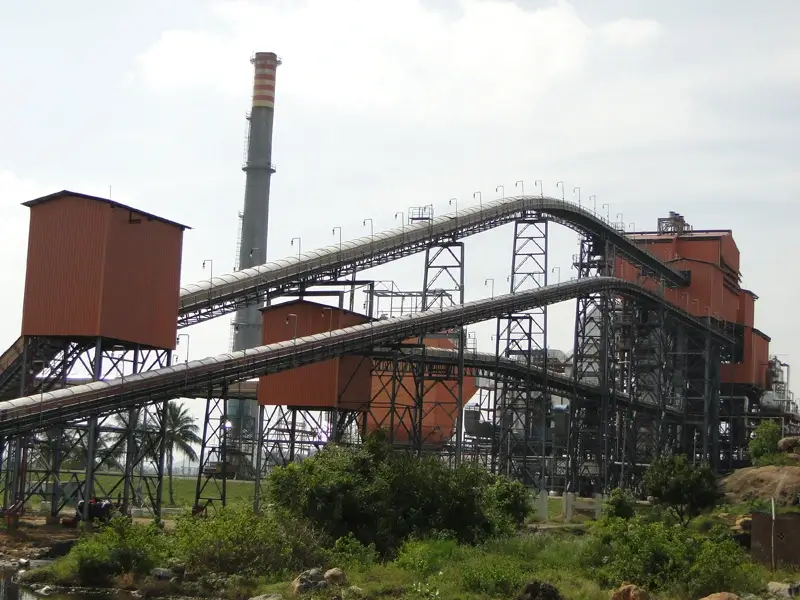
Here are some of the key reasons why Methods India is considered a preferred choice for pipe conveyor solutions.
1. More Than 40 Years of Engineering Experience
Experience matters when designing a conveyor system for a large industrial project. Methods India has more than 40 years of experience in bulk material handling. Over the years, the company has worked on different types of conveyor systems and industrial applications. Each project has its own challenges.Design may be affected by material type, capacity,
conveyor length, terrain, elevation and site conditions. Methods India’s experience helps its engineering team understand these requirements and develop a conveyor system that suits the actual application.
2. Pipe Conveyors Designed for Each Project
Every bulk material handling project is different. A conveyor that works well for one application may not be suitable for another.
Methods India follows a customized approach when designing pipe conveyor systems.
The design can take into account:
- Type of material being transported
- Required material capacity
- Conveyor length
- Horizontal and vertical route
- Changes in elevation
- Belt speed
- Site conditions
- Environmental requirements
- Drive and tension requirements
This helps ensure that the conveyor system is designed around the customer’s actual requirements rather than using a standard design for every project.
3. Enclosed Material Transportation
One of the main benefits of a pipe conveyor is that it keeps the material enclosed. At the loading point, the belt is open so that material can be loaded. As the belt moves forward, special idlers gradually form it into a pipe. The material then travels inside the enclosed belt. Near the discharge point, the belt opens again and the material is discharged.
This enclosed design can help:
- Reduce dust
- Prevent material spillage
- Protect material from wind and rain
- Keep the conveyor route cleaner
- Reduce the risk of material contamination
This makes pipe conveyors particularly useful for materials that create dust or need to be transported in a controlled manner.
4. Suitable for Difficult Conveyor Routes
One of the biggest advantages of pipe conveyors is their ability to follow more complex routes. Conventional belt conveyors may require additional transfer points, if the transportation of routes changes. Pipe conveyors can negotiate horizontal and vertical curves based on the requirement. This feature allows engineers to design more flexible conveyor routes.
This can be useful when the conveyor has to:
- Pass through uneven terrain
- Change direction
- Follow a curved route
- Move through areas with limited space
- Cross difficult site conditions
For mining, cement, power, port, and other large industrial projects, this flexibility can simplify conveyor routing.
5. Better Control of Dust and Spillage
Dust and spillage are common concerns in bulk material handling. With an open belt conveyor, fine materials can escape from the belt during transportation. Wind can also spread dust and lightweight material around the conveyor route. A pipe conveyor helps address this problem by enclosing the material inside the belt.
Because the material remains inside the pipe during most of the conveying route, the system can significantly reduce the possibility of dust escaping and material spilling along the conveyor. This is especially useful in projects where environmental control and clean operation are important.
6. Suitable for Long-Distance Conveying
Pipe conveyors can be used for transporting bulk materials over long distances. Methods India has experience with large pipe conveyor projects. One example highlighted by the company is a 2.1 km long, 450 TPH sulphur export pipe conveyor for PETRONAS in Malaysia.
Projects such as this show the company’s experience in designing and executing enclosed conveyor systems for demanding bulk material handling applications. Long-distance pipe conveyors can be particularly useful when material needs to be moved between different areas without using multiple transfer points.
7. Heavy-Duty Conveyor Design
Pipe conveyors operate under different mechanical conditions compared with conventional belt conveyors. The belt has to change from a flat shape into a tubular shape and maintain that shape while carrying the material. For demanding applications, Methods India offers pipe conveyor systems using high-tension steel-cord belts.
The belt, idlers, drive system, tensioning system, and other components need to be selected according to the material, capacity, conveyor length, and route. Proper component selection helps the conveyor operate reliably under demanding working conditions.
8. Applications Across Different Industries
Pipe conveyors can be used in many industries where bulk materials need to be transported safely and efficiently.
Cement Industry
Cement plants handle materials such as limestone, clinker, coal, gypsum, and other bulk materials. Pipe conveyors can help transport these materials while reducing dust and spillage.
Mining Industry
Mining operations often involve long conveyor routes and difficult terrain. Materials such as coal, iron ore, bauxite, sulphur, and other minerals can be transported using pipe conveyor systems.
Power Industry
Power plants need reliable systems for moving bulk materials such as coal and other fuel-related materials. Pipe conveyors can be considered where enclosed transportation and dust control are important.
Chemical and Fertilizer Industries
Some chemical and fertilizer materials need controlled transportation to reduce dust,spillage, and exposure to the surrounding environment.
Ports and Terminals
Ports often handle large quantities of bulk materials. Pipe conveyors can provide enclosed transportation between storage areas, processing facilities, and loading or unloading points.
9. Turnkey Project Execution
Designing and manufacturing a conveyor is only one part of a complete project. A large conveyor project also involves engineering, fabrication, installation, erection,commissioning, and integration. Methods India provides turnkey project execution for conveyor systems. This means the company can support the project from engineering and fabrication through to site execution and commissioning.
Having these activities handled through an integrated project approach can make coordination easier for customers and help maintain consistency throughout the project.
10. In-House Manufacturing Capabilities
Good engineering needs to be supported by reliable manufacturing. Methods India has manufacturing and fabrication capabilities for its conveyor systems. Its engineering and manufacturing teams work together to develop and produce equipment according to project requirements.
In-house manufacturing provides better coordination between design and fabrication. Also that gives the company greater control over the manufacturing process. This is particularly important for customized conveyor systems where components need to be designed and manufactured according to the project specifications.
11. Modern Control and Monitoring Systems
Today’s conveyor systems are not limited to mechanical equipment. Automation and monitoring systems can help operators understand how the conveyor is performing and identify operating conditions that need attention.
Methods India can integrate technologies such as PLC and SCADA systems into its conveyor solutions. Depending on the application, conveyor systems can also include belt monitoring and load monitoring features. These systems help improve operational control and make it easier to monitor conveyor performance.
12. Experience in Challenging Applications
Pipe conveyors are most valuable when a project has specific challenges that cannot be easily handled by a simple open belt conveyor.
They can be considered when the project requires:
- Enclosed material transportation
- Dust and spillage control
- Long-distance conveying
- Horizontal curves
- Vertical curves
- Difficult terrain
- Reduced transfer points
- Protection from weather
- Transportation through environmentally sensitive areas
Methods India’s experience in bulk material handling allows it to develop pipe conveyor systems based on these application requirements.
Understanding Pipe Conveyor Technology
What Is a Pipe Conveyor?
A pipe conveyor is a type of belt conveyor in which the belt is formed into a closed tubular shape around the material. At the loading area, the belt is flat. Special idlers then gradually form the belt into a pipe. The material remains inside the pipe while it travels along the conveyor.
At the discharge end, the belt gradually opens back into a flat position and the material is discharged. The main advantage is simple: the material stays enclosed during transportation.
How Does a Pipe Conveyor Work?
The basic working process is:
Material Loading → Belt Formation → Enclosed Conveying → Horizontal/Vertical Curves → Belt Opening → Material Discharge
Special idlers are used to form and maintain the pipe shape. The conveyor can therefore transport material along a route while keeping the material enclosed inside the belt.
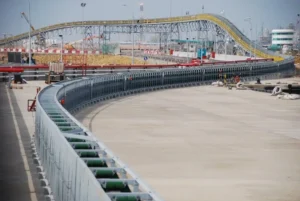
Main Components of a Pipe Conveyor
A pipe conveyor consists of several important components.
Conveyor Belt
The belt needs to be flexible enough to form into a pipe while also being strong enough to carry the required material load. For heavy-duty applications, high-tension steel-cord belts can be used.
Idler System
Special idlers support the belt and help form it into the required tubular shape.
Drive System
The drive system provides the power required to move the belt and material. The motor,gearbox, pulleys, and other drive components are selected according to the project requirements.
Loading and Discharge Sections
The belt remains open at the loading and discharge areas so that material can enter and leave the conveyor.
Tensioning System
The tensioning system maintains the required belt tension during operation.
Control and Monitoring System
PLC, SCADA, belt monitoring, load monitoring, and other control systems can be incorporated depending on the project requirements.
Key Advantages of Pipe Conveyors
When properly designed, pipe conveyors can offer several advantages.
1. Enclosed Transportation
The material remains enclosed inside the belt, helping reduce dust and spillage.
2. Flexible Routing
Pipe conveyors can negotiate horizontal and vertical curves, providing greater flexibility in conveyor routing.
3. Reduced Transfer Points
The ability to follow curved routes can reduce the need for additional transfer points in suitable applications.
4. Weather Protection
The enclosed belt provides protection against wind and rain during transportation.
5. Better Environmental Control
Reduced dust and spillage may contribute to a cleaner and more controlled operating environment.
6. Long-Distance Conveying
Pipe conveyors are more suitable for long-distance material transport and cross-country applications.
What Should You Consider Before Selecting a Pipe Conveyor?
|
Factor
|
What It Means for Pipe Conveyor Selection
|
|---|---|
|
Material Type
|
Different materials require different belt designs and conveying arrangements. Consider whether the material is coal, limestone, sulphur, ore, powder, or another bulk material.
|
|
Bulk Density
|
The weight of the material affects the conveyor's capacity, belt loading, and overall power requirement.
|
|
Particle Size
|
Material size helps determine the suitable belt, pipe diameter,loading arrangement, and conveyor design.
|
|
Material Temperature
|
Hot materials may require specially selected belts and components that can withstand higher operating temperatures.
|
|
Moisture Content
|
Wet or sticky materials can affect material flow and may require special consideration during loading and discharge.
|
|
Required Capacity
|
The required tonnes per hour (TPH) determines the belt width, pipe diameter, belt speed, and drive requirements.
|
|
Belt Speed
|
Belt speed affects conveying capacity, power consumption, material behaviour, and overall system performance.
|
|
Conveyor Length
|
Longer conveyors require careful calculation of belt tension, drive power, take-up, and other mechanical requirements.
|
|
Pipe Diameter
|
The pipe diameter must be selected according to material characteristics, capacity, belt specifications, and operating conditions.
|
|
Horizontal Curves
|
If the conveyor needs to change direction horizontally, the curve radius and belt behaviour must be considered during design.
|
|
Vertical Curves
|
Changes in elevation require proper engineering to maintain belt stability and reliable material transportation.
|
|
Elevation Changes
|
The difference between loading and discharge levels affects conveyor power, belt tension, and braking requirements.
|
|
Belt Tension
|
Proper belt tension is necessary to maintain stable operation and prevent problems such as belt slippage or poor pipe formation.
|
|
Drive Power
|
Motor and drive power must be calculated based on capacity,conveyor length, elevation, belt speed, and material characteristics.
|
|
Site Conditions
|
Available space, terrain, existing structures, weather conditions, and access for installation can all influence the conveyor design.
|
|
Environmental Requirements
|
Dust control, spillage prevention, noise, weather conditions, and other environmental requirements need to be checked before finalizing the system.
|
|
Automation & Monitoring
|
PLC, SCADA, belt monitoring, load monitoring, and other systems can be included depending on the project's control and monitoring requirements.
|
Conclusion
Pipe conveyors can be an excellent solution when bulk materials need to be transported over long distances while controlling dust, spillage, and environmental impact. Their ability to negotiate horizontal and vertical curves also makes them suitable for projects where conventional conveyor systems may face routing limitations.
However, the success of a pipe conveyor project depends heavily on proper engineering and the right choice of manufacturer. With more than four decades of experience in bulk material handling, customized engineering capabilities, manufacturing facilities, turnkey project execution, and experience with large pipe conveyor applications, Methods India provides engineered conveyor solutions for a wide range of industrial requirements.
Whether the project is in cement, mining, power, chemical, fertilizer, steel, or port operations, Methods India can develop a pipe conveyor solution based on the material, capacity, route,and site conditions.