

What Should You Look For in a Bagasse Dryer Manufacturer for Your Facility?
Bagasse is the fibrous residue left behind after sugarcane crushing. It still contains significant energy value. But to use it effectively as boiler fuel, its moisture content needs to come down. Fresh bagasse carries around 48 to 52 percent moisture. At that level, it burns inconsistently and reduces boiler efficiency. A bagasse dryer brings that moisture down to around 30 to 35 percent, making it a reliable, high-calorific fuel for your cogeneration operations.So, a bagasse dryer system is not a peripheral piece of equipment for a sugar mill. It sits directly in the path of your power generation output. Choosing the wrong bagasse dryer manufacturer can lead to poor drying performance, energy losses, frequent stoppages, and missed cogeneration targets.
Methods India stands out as a trusted bagasse dryer manufacturer with over 40 years of experience in bulk material handling and sugar mill equipment. We design, fabricate, and commission bagasse dryer systems that are custom-engineered for your facility’s specific throughput, heat source, and operational requirements.In this blog, you will learn what challenges sugar mills face without the right bagasse dryer system, what to look for in a bagasse dryer manufacturer, and why Methods India is the right choice for your facility.
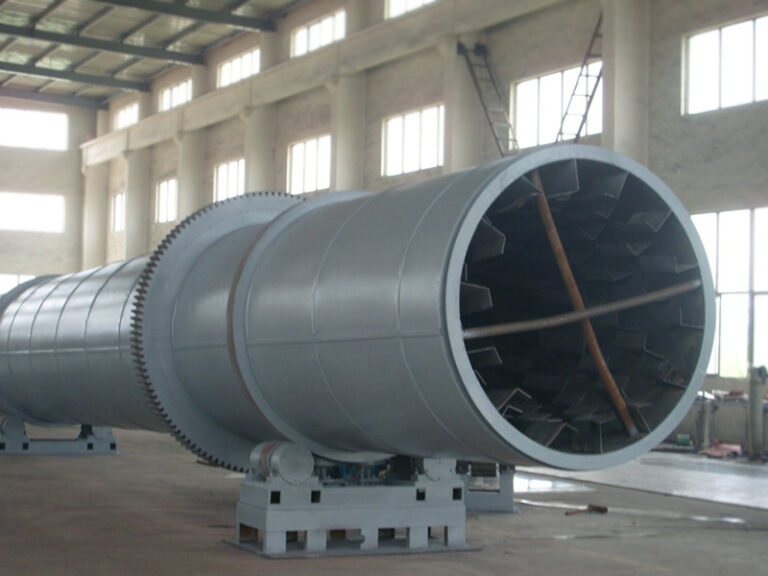
What Problems Do Sugar Mills Face Without the Right Bagasse Dryer Manufacturer?
Without the right bagasse dryer system from a capable bagasse dryer manufacturer, sugar mills and cogeneration plants face serious operational and financial problems. These problems affect boiler efficiency, power generation output, and plant profitability. Here are the key challenges:
1. Poor Boiler Efficiency
When bagasse enters the boiler at high moisture levels, a significant portion of the heat energy is spent evaporating water rather than generating steam. So, the boiler has to work harder to maintain steam pressure and temperature. This reduces thermal efficiency and pushes up fuel consumption.
This reduces thermal efficiency and pushes up fuel consumption.Over a crushing season, this loss compounds into significant revenue impact.A bagasse dryer manufacturer who designs a system specifically for your bagasse moisture profile and boiler type can eliminate this inefficiency. The right drying system delivers bagasse at the correct moisture level,consistently, every time.
2. Inconsistent Drying Performance
A bagasse dryer that is under-engineered for your facility’s throughput will deliver inconsistent moisture reduction. Bagasse entering the boiler at variable moisture levels creates fluctuating steam conditions. So, operators constantly adjust boiler settings to compensate, which increases wear and reduces boiler life.
The right bagasse dryer manufacturer designs the system with the correct drying capacity, airflow,and residence time to maintain consistent output moisture levels across the full range of your facility’s operating conditions.
3. Frequent Stoppages and Downtime
Bagasse is a difficult material to handle. It is fibrous, sticky, and tends to bridge and block in poorly designed chutes and dryer drums. So, a bagasse dryer that is not specifically engineered for the material will block frequently. Each stoppage halts the fuel supply to your boiler, disrupting your power generation.
A specialist bagasse dryer manufacturer accounts for the material’s characteristics in every part of the system design. Proper drum geometry, material flow paths, and integrated conveyor design prevent blockages and keep the system running through the crushing season.
4. Dust and Fire Risk
Bagasse is combustible. Dried bagasse dust in particular presents a serious fire and explosion risk if not properly managed. A bagasse dryer manufacturer who does not address dust containment and fire suppression in the dryer design creates a serious safety hazard for your facility.So, the right manufacturer designs enclosed systems with proper dust sealing, fire detection, and suppression provisions built into the dryer from the start, not added as an afterthought.
Why Does Choosing the Right Bagasse Dryer Manufacturer Matter?
Choosing the right bagasse dryer manufacturer is a long-term decision. The bagasse dryer system runs for months during every crushing season. Its performance directly affects your boiler efficiency, cogeneration output, and operational costs. So, a wrong choice here leads to years of underperformance, high maintenance costs, and lost power generation revenue.
The right bagasse dryer manufacturer does not just supply a dryer. They engineer a complete drying system that is matched to your facility’s bagasse throughput, moisture targets, heat source availability, and integration with your conveyors, boiler feed system, and storage. They take responsibility for the entire system, from design through commissioning and after-sales support.A well-engineered bagasse dryer system from a trusted manufacturer like Methods India becomes a long-term asset for your sugar mill, one that pays back through consistent boiler performance and reliable cogeneration output season after season.
What Should You Look For in a Bagasse Dryer Manufacturer?
When evaluating a bagasse dryer manufacturer for your facility, there are several key factors to consider. Here is what to look for:
1. Experience in Sugar Mills and Bagasse Handling
The bagasse dryer manufacturer you choose must have direct experience working in sugar mills.Bagasse is a specific material with specific handling challenges. A manufacturer who has worked in cement, power, or mining but has no sugar mill experience will not understand how bagasse behaves in a drying system.
So, the right bagasse dryer manufacturer will have references from working sugar mills. They will understand seasonal variability in bagasse moisture, the relationship between crushing rates and dryer throughput, and how the dryer integrates with the rest of the sugar mill process.
Methods India has extensive experience in bagasse handling across sugar mills in India and internationally. Our projects include bagasse dryer systems for The Seksaria Biswan Sugar Factory Limited, and sugar mill handling systems for Tendaho Sugar Factory in Ethiopia and Tate & Lyle Sugars. We understand sugar mill operations from the inside.
2. In-House Engineering and Design Capability
A bagasse dryer system is custom-engineered equipment. The design depends on your bagasse moisture levels, throughput volume, heat source type, site layout, and integration requirements. So, a bagasse dryer manufacturer who does not have in-house engineering capability cannot design a system that truly fits your facility.
Look for a manufacturer who has an independent in-house design team. They should be able to perform detailed heat and mass balance calculations, size the drying drum and airflow systems correctly, and design the connecting conveyors and chutes for your specific material.
Methods India operates an independent in-house design facility. Every bagasse dryer system we deliver is engineered from scratch for the client’s specific facility. We do not use generic templates. All calculations, drawings, and specifications are done in-house by our engineering team.
3. In-House Fabrication
There is a clear difference between a bagasse dryer manufacturer and a bagasse dryer assembler. A manufacturer who fabricates in-house controls the quality of every component, the drying drum, the structural supports, the ducting, the drive systems, and the ancillary conveyors. So, quality gaps are eliminated and component fit is guaranteed.
A manufacturer who outsources fabrication loses control over quality. Components may not meet tolerances. Materials may be substituted. And when something fails in the field, responsibility becomes unclear.Methods India fabricates all systems at its manufacturing facility in Bangalore. Machine shop work, structural fabrication, and painting are all done under one roof. So, every bagasse dryer system that leaves our facility has been built under full quality control from start to finish.
4. Understanding of Heat Source Integration
A bagasse dryer system requires a heat source to drive moisture evaporation. In sugar mills, this is typically flue gas from the boiler, extracted steam, or a combination of both. The choice of heat source affects the entire dryer design and the overall energy balance of your facility.
So, the right bagasse dryer manufacturer understands the trade-offs between different heat source options. Flue gas drying uses waste heat and improves plant energy efficiency. Steam drying is more controllable but consumes steam that could otherwise be used for power generation. The manufacturer should help you select the right heat integration strategy for your facility’s specific conditions.
Methods India has deep experience in designing bagasse dryer systems around different heat source configurations. We assess your facility’s heat balance and recommend the drying approach that maximises your overall cogeneration efficiency.
5. Turnkey Execution Capability
A bagasse dryer does not operate in isolation. It connects to bagasse conveyors upstream, to the boiler feed system downstream, and often to bagasse storage and reclaim systems as well. So, a bagasse dryer manufacturer who can only supply the dryer itself leaves you to coordinate the rest of the system across multiple vendors.
That creates gaps between design and fabrication, between the dryer and its connecting systems, and between the design team and the erection team. Choose a bagasse dryer manufacturer who offers complete turnkey execution. Everything from designing, fabrication, erection, commissioning, and handover.
Methods India offers full turnkey execution for bagasse dryer systems and the surrounding material handling infrastructure. So, single-point responsibility means there are no coordination gaps, no interface disputes, and no ambiguity about who is accountable when the system is commissioned.
6. Track Record in India and Internationally
A bagasse dryer manufacturer with an international track record brings broader engineering exposure. International sugar mill clients typically impose more stringent quality, documentation, and performance requirements than domestic projects. So, a manufacturer who has delivered internationally has already proven their systems under those conditions.
Ask your potential bagasse dryer manufacturer for project references. Ask specifically about bagasse dryer and bagasse handling projects they have completed. Ask about the client, the throughput, and the performance outcomes.Methods India has delivered bulk material handling systems across 36 countries. Our sugar mill and bagasse handling references span India, Africa, and Southeast Asia. So, when you choose Methods India as your bagasse dryer manufacturer, you are choosing a company with a globally proven track record in this application.
7. After-Sales Support and Spare Parts Availability
A bagasse dryer runs for months during each crushing season. When a wear component needs replacement or a technical issue occurs, you need fast access to genuine spare parts and technical support. So, a bagasse dryer manufacturer with a weak after-sales network leaves you exposed to extended downtime during the crushing season, when every day of lost production matters.
Before finalising your bagasse dryer manufacturer, ask specifically about their service network. Ask about spare parts availability, response times, and whether they maintain regional service teams.Methods India maintains service teams across Bangalore, Hyderabad, and Chennai. We provide prompt technical support and maintain spare parts availability for all systems we commission. So, our clients can access the support they need quickly, without extended waits that eat into crushing season productivity.
8. ISO Certification and Compliance Standards
A professional bagasse dryer manufacturer designs and fabricates systems that comply with recognized quality, safety, and environmental standards. ISO 9001:2015 certification confirms a documented quality management system covering materials testing, fabrication inspection, and project documentation.
For bagasse dryer systems specifically, compliance with dust emission norms and fire safety standards is also critical. Bagasse dust is combustible. So, a dryer without proper dust containment and fire suppression is a regulatory and safety risk for your facility.Methods India is certified to ISO 9001:2015, ISO 14001:2015, and OHSAS 18001:2007. Our bagasse dryer systems are designed in compliance with applicable BIS and CPCB norms. Dust management and fire safety provisions are built into every system design.
Why Methods India Is the Right Bagasse Dryer Manufacturer for Your Facility?
Plants should choose Methods India as their bagasse dryer manufacturer because we offer a combination of engineering depth, in-house control, sugar mill experience, and long-term reliability that very few manufacturers can match. Here is what makes us the right choice:
40+ Years of Experience: Methods India has been designing and delivering bulk material handling systems since 1982. We have solved real-world challenges in sugar mills, power plants, cement plants, and mining operations across India and 36 countries.
End-to-End In-House Capability: Design, engineering, fabrication, erection, and commissioning are all handled in-house. So, there are no coordination gaps between our teams and no quality gaps between our drawings and the finished system.
Custom-Engineered Systems: Every bagasse dryer system we deliver is designed specifically for your facility — your bagasse throughput, your heat source, your site layout, and your integration requirements. We do not use standard off-the-shelf designs for custom applications.
Proven Sugar Mill References: Our bagasse dryer and handling projects include installations for clients such as The Seksaria Biswan Sugar Factory Limited and sugar mill projects in Ethiopia and internationally. So, we have real-world proof of performance in this application.
ISO Certified Quality: Methods India’s quality systems are certified to ISO 9001:2015. So, every system we fabricate meets documented quality standards covering materials, fabrication, inspection, and documentation.
Strong After-Sales Network: Our service teams are present across Bangalore, Hyderabad, and Chennai, ensuring fast technical support and spare parts availability throughout the life of your bagasse dryer system.
Conclusion: Partner with the Right Bagasse Dryer Manufacturer
Choosing the right bagasse dryer manufacturer is one of the most important decisions a sugar mill manager or project engineer can make. A poor choice leads to inconsistent drying, boiler inefficiency, frequent stoppages, and lost cogeneration revenue. So, when evaluating manufacturers, assess their sugar mill experience, engineering capability, fabrication quality, heat integration expertise, and after-sales support.
Methods India stands out as a bagasse dryer manufacturer with over 40 years of engineering experience, in-house design and fabrication, a global project track record, and a proven commitment to after-sales support. So, when you choose Methods India, you are not just choosing a bagasse dryer supplier, you are choosing a long-term partner for your facility’s cogeneration performance.
Contact Methods India today to discuss your bagasse dryer requirements. Let us help you design a drying system that keeps your boilers running and your power generation targets on track.
FAQs
What does a bagasse dryer do in a sugar mill?
A bagasse dryer reduces the moisture content of bagasse after juice extraction. So, fresh bagasse at around 48 to 52 percent moisture becomes a much more efficient boiler fuel when dried to around
30 to 35 percent. This directly improves boiler efficiency and cogeneration output.
What heat source does a bagasse dryer use?
Most bagasse dryers use flue gas from the boiler, extracted steam, or a combination of both. Flue gas drying uses waste heat and improves overall plant energy efficiency. So, the right heat source depends on your facility’s heat balance and cogeneration setup. The right bagasse dryer manufacturer will assess this for your specific plant.
Why is it important to choose a specialist bagasse dryer manufacturer?
Bagasse is fibrous, wet, and variable in consistency. It blocks in poorly designed systems. Bagasse dust is also combustible. So, a specialist bagasse dryer manufacturer designs the system to handle these specific challenges, including proper flow paths, dust containment, and fire safety provisions. A generalist supplier may not account for any of these.
Does Methods India offer turnkey bagasse dryer systems?
Yes. Methods India delivers complete turnkey bagasse dryer systems. So, we handle everything from engineering and fabrication through erection, commissioning, and handover. This includes the connecting conveyors, feeders, and integration with the boiler and storage systems. Single-point responsibility from one team.
What should I ask a bagasse dryer manufacturer before placing an order?
Ask about their project references in sugar mills specifically. Ask whether they have in-house engineering and fabrication capability. Ask how they design for heat source integration and dust and fire safety. Ask about their after-sales service network and spare parts availability. Also ask for their ISO certifications. So, these questions will quickly tell you whether a manufacturer has the depth to deliver the right system for your facility.