

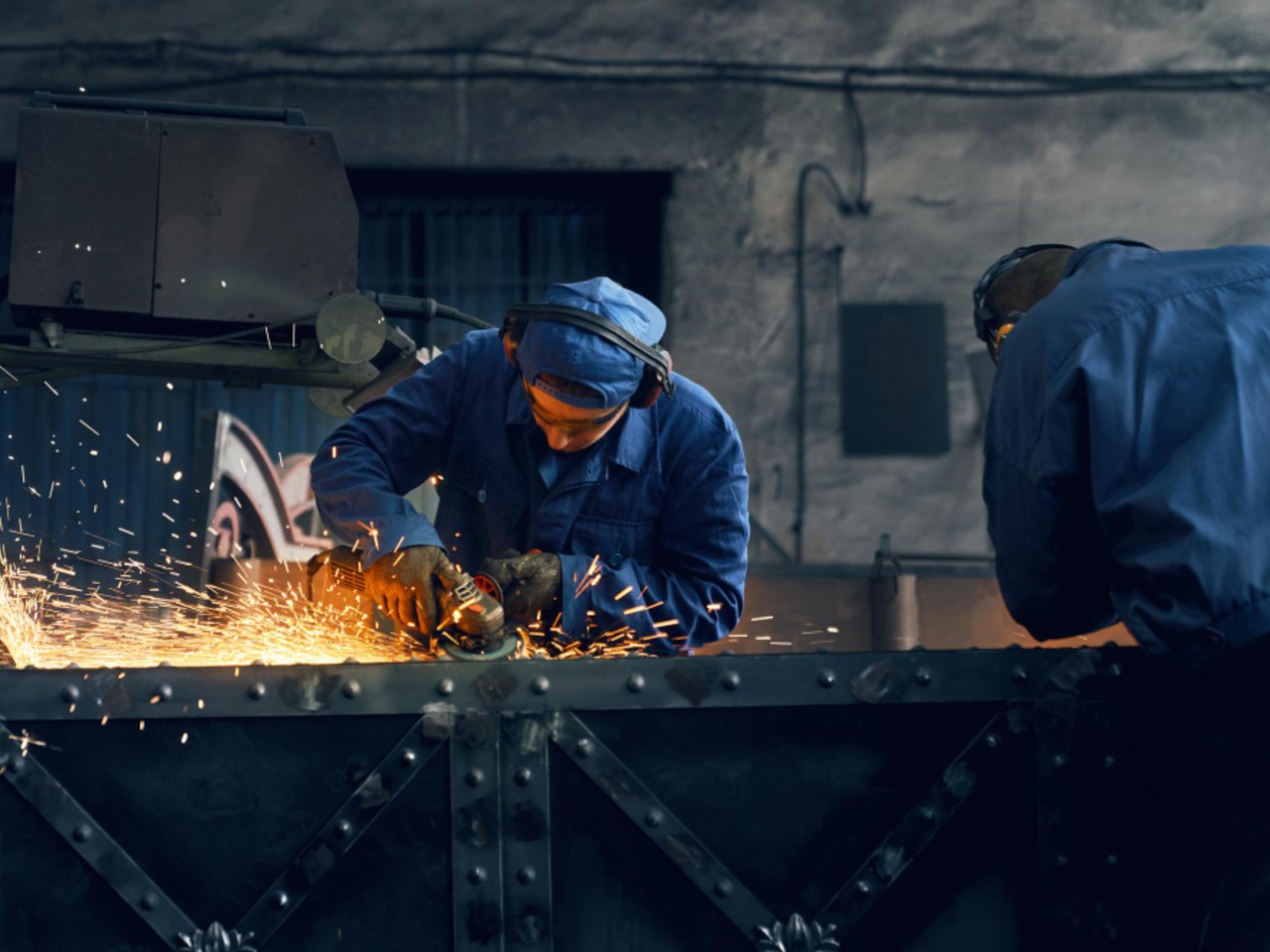
Fabrication forms the backbone of the physical world, creating the heavy structures and specialized components that drive global industry. From the colossal steel framework of a modern power plant to the custom piping that carries vital resources, the process of transformation from raw material to finished product is known as fabrication work. If you are involved in engineering, construction, or manufacturing, understanding precisely what is fabrication work is fundamental to project success, cost management, and quality control.
This comprehensive guide will explore the meaning, methodologies, and critical steps involved in fabrication work, specifically within the context of large-scale industrial projects.
What Is Fabrication Work?
At its essence, what is fabrication work? It is the process of constructing machines, structures, or various parts by cutting, bending, and assembling different components from standardized raw materials. Unlike manufacturing, which often produces generic, interchangeable parts in high volumes (like standard bolts or screws), fabrication work is almost always custom-oriented, based on unique engineering drawings and specifications for a specific project.
The materials most commonly handled in this domain are metals, including carbon steel, stainless steel, aluminum, and various specialized alloys. The finished product could be anything from a simple metal bracket to a complex, multi-ton pressure vessel or a modular section of a skyscraper.
Fabrication vs. Manufacturing
To grasp the full scope of what is fabrication work, it helps to clarify the relationship with manufacturing:
- Manufacturing is the overarching system of converting raw materials into marketable goods.
- Fabrication is a specialized type of manufacturing; it is the process of assembly and creation using standardized components.
For example, a steel mill manufactures a standard I-beam. A fabrication shop then uses that I-beam in their fabrication work to cut, weld, and assemble a structural truss for a bridge.
Core Processes: The Methods Behind Fabrication Work
The complex nature of fabrication work relies on mastering several foundational techniques to manipulate metal into the desired form. These processes can be divided into three operational categories: Reduction, Deformation, and Assembly.
1. Reduction (Subtractive)
Reduction processes remove material from the starting stock to achieve the component’s required shape and dimension.
|
Process
|
Description
|
Industrial Application
|
|---|---|---|
|
Cutting & Shearing
|
Separating large plates or lengths of material using high-power methods.
|
Used to quickly size metal plates for tanks, vessels, or structural
|
|
Thermal Cutting
|
Using intense heat to melt and remove material, guided by computer numerical control (CNC).
|
Plasma cutting and laser cutting provide precise, repeatable shapes for components.
|
|
Machining
|
Using lathes, mills, and drills to achieve extremely tight tolerances on features like bolt holes or precise surface finishes.
|
Essential for parts that interface directly with moving machinery (e.g., flanges).
|
2. Deformation (Shaping)
Deformation processes apply physical force to reshape the material without removing any portion, retaining material integrity.
- Bending/Forming: Using press brakes to fold flat sheets or plates into angular shapes, such as channels or boxes.
- Rolling: Passing material through a series of rollers to create smooth, large-radius curves, which is vital for creating cylindrical tanks, pipes, and vessel shells.
- Forging: Using compressive force, often while the metal is hot, to shape it and improve its grain structure and strength.
3. Assembly (Joining)
This is the final stage where individual pieces, often having undergone both reduction and deformation, are brought together and permanently joined.
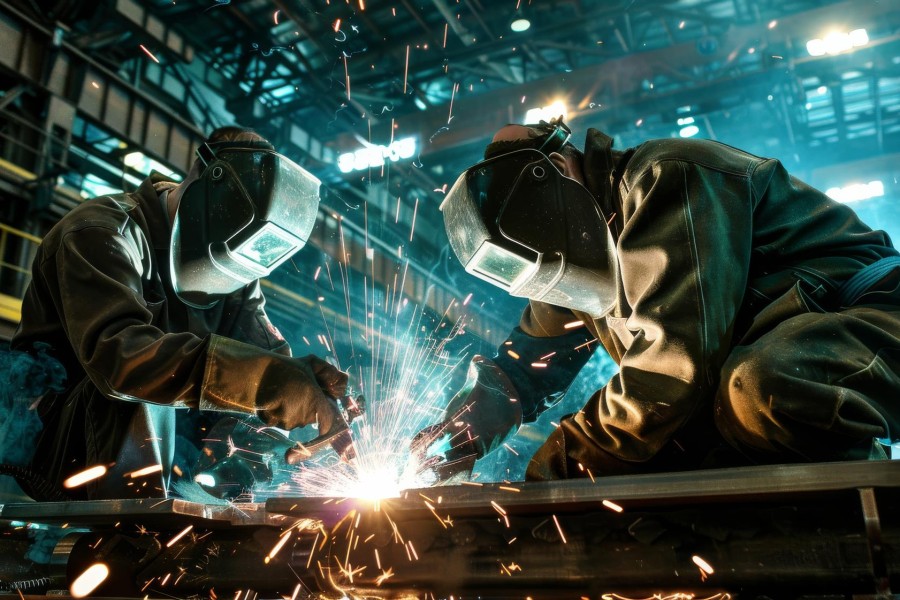
- Welding: The most critical joining process in fabrication work. Certified welders use techniques like Shielded Metal Arc Welding (SMAW), Gas Metal Arc Welding (GMAW/MIG), or Gas Tungsten Arc Welding (GTAW/TIG) to fuse pieces together, creating a unified structure.
- Bolting & Fastening: Used for non-permanent joints or for structures where disassembly is required (e.g., modular components).
The Industrial Fabrication Project Lifecycle
A contemporary thermal power station relies on an interlinked operational machinery system to efficiently handle all bulk materials. The following are the significant parts that play a role:
Phase 1: Conceptualization and Detailed Engineering
- Client Specification: The client provides the functional requirements, environmental constraints, and operational needs.
- Engineering Design: Engineers create the conceptual design and perform stress, thermal, and load analysis.
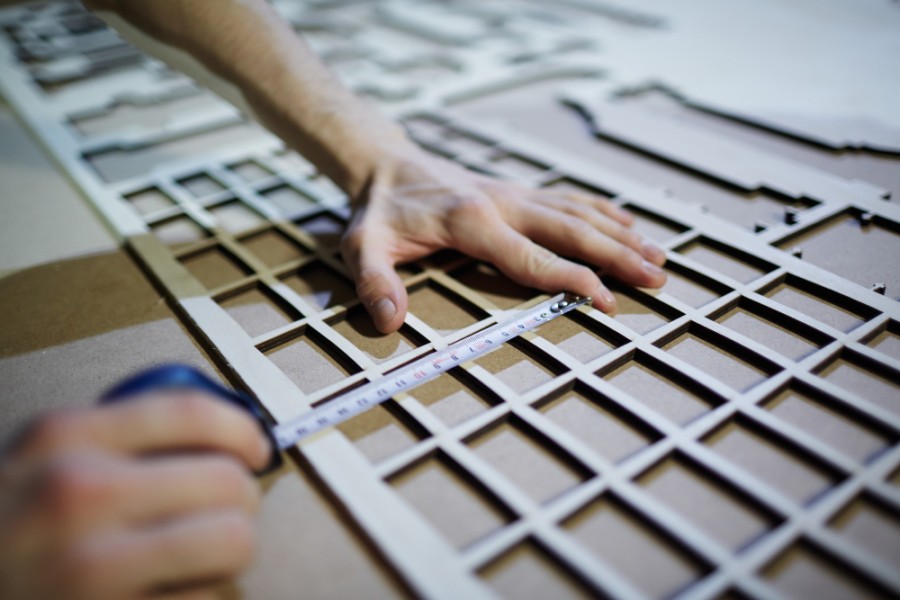
- Detailed Drafting: This is where the fabrication work truly begins. Detailers translate the engineering design into specific shop drawings, sometimes called spool drawings (for piping), specifying every cut length, weld joint, material grade, and bevel required.
Phase 2: Procurement and Preparation
- Material Procurement: Sourcing the specified materials, ensuring they meet chemical composition standards (material traceability is vital).
- Material Preparation: Cleaning, de-scaling, and laying out the raw stock in the fabrication shop.
Phase 3: Manufacturing and Assembly (The Core Fabrication Work)
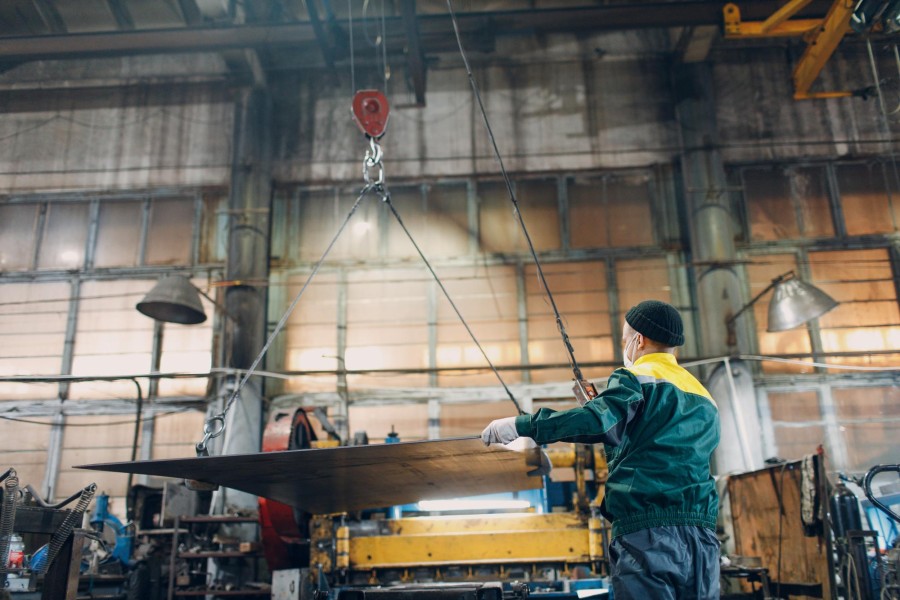
- Cutting and Shaping: As described above, high-precision tools cut components to their exact dimensions.
- Fit-Up: Components are temporarily held together (often with tack welds) to confirm dimensional accuracy before final welding.
- Final Welding: The most intensive part of the fabrication work, performed by certified professionals under strict quality supervision. The integrity of these welds determines the safety and lifespan of the entire structure.
Phase 4: Finishing, Quality Control, and Delivery
- Quality Assurance/Quality Control (QA/QC): Before coating, the structure undergoes a thorough inspection. This includes dimensional checks and Non-Destructive Testing (NDT) such as Ultrasonic Testing (UT), Magnetic Particle Testing (MT), or Radiographic Testing (RT) to ensure weld integrity.
- Surface Treatment: The final structure is prepared for its operating environment. This often involves abrasive blasting (sandblasting) followed by applying protective coatings (epoxy paints, primers, or galvanization) to prevent corrosion.
- Delivery: The finished, certified item is prepared for transport and installation at the project site.
Key Segments Reliant on Fabrication Work
The scope of what is fabrication work covers nearly all capital-intensive industries:
Structural Steel Fabrication
This is the most common form of fabrication work, focused on creating the load-bearing frameworks for infrastructure: buildings, bridges, and industrial plant support structures. These structures must adhere to rigorous civil engineering and safety codes.
Process Piping and Vessel Fabrication
For chemical, petrochemical, oil & gas, and power generation industries, specialized fabrication work is required for items that handle high pressures, extreme temperatures, or corrosive materials. This includes:
- Pressure Vessels: Tanks and containers designed to hold liquids or gases at a pressure substantially different from the ambient pressure.
- Piping Spools: Prefabricated sections of complex piping systems that are easier to install on-site than creating the entire run in the field.
Heavy Equipment and Machinery Fabrication
Large industrial machinery, mining equipment, and construction vehicles require robust fabrication work for their massive chassis, booms, and specialized attachments. These components must withstand continuous heavy loads and abrasion.
Why Professional Industrial Fabrication Services are Essential
For any major project, relying on experienced Industrial fabrication services is non-negotiable. This expertise is necessary because:
Compliance and Certification:
Professional fabricators are certified to work with specific materials and processes (e.g., ASME certification for pressure vessels). This ensures the final product meets regulatory requirements for safety and functionality.
Efficiency and Cost Reduction:
By performing the complex fabrication work in a controlled shop environment, weather delays are eliminated, productivity is maximized, and material waste is minimized. This shop fabrication dramatically reduces costly, slow, and labor-intensive field work.
Accuracy and Tolerances:
Precision is paramount. Modern fabrication work utilizes CNC-driven machinery to hold dimensions within fractions of a millimeter, guaranteeing that the thousands of components fabricated separately will fit together seamlessly during site erection.
Technological Advancements Transforming What Is Fabrication Work
The answer to what is fabrication work continues to evolve with technology, making processes faster, more accurate, and safer.
- Automation: Robotic welding cells and automated plate cutters increase throughput and consistency, particularly for repetitive tasks.
- Integrated Software: Using Building Information Modeling (BIM) and specialized structural detailing software allows fabricators to model the entire project digitally, identifying clashes and issues before the first piece of steel is cut. This preemptive approach dramatically reduces rework associated with traditional fabrication work.
- Advanced NDT: Techniques like Phased Array Ultrasonic Testing (PAUT) provide highly detailed, instantaneous data on weld quality, moving quality control beyond simple visual checks.
The Importance of Quality and Safety in Fabrication Work
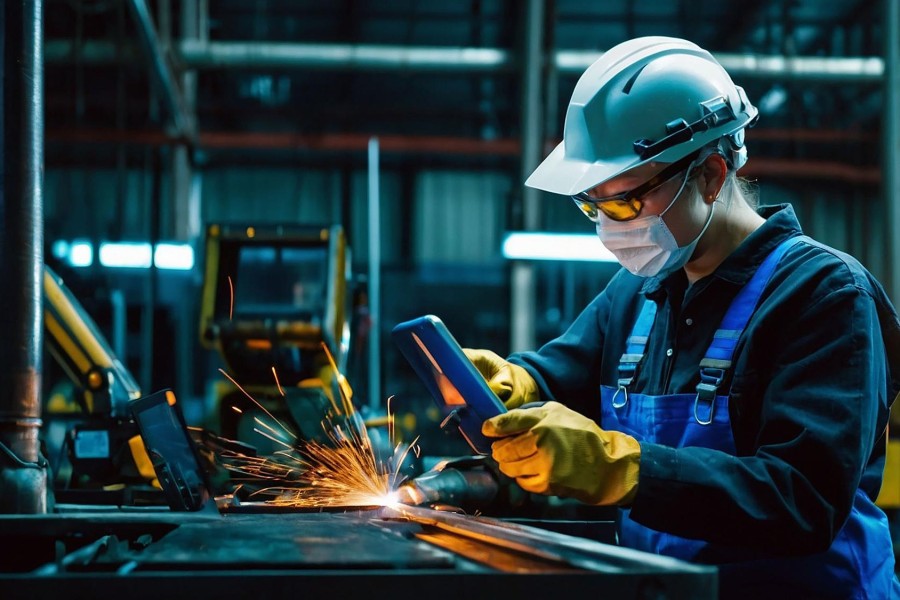
In an industrial context, the quality of fabrication work directly impacts operational safety and integrity. A faulty weld or an incorrectly sized flange can lead to catastrophic failure, especially in high-pressure or high-temperature systems.
Therefore, every professional fabrication work process includes rigorous quality documentation, ensuring that every step, from the receipt of the raw material to the final protective coat, is traceable and verifiable. Safety protocols in the fabrication shop, handling heavy lifts, managing cutting fumes, and maintaining clean workspaces are equally vital components of responsible fabrication work.
Conclusion
From the pipelines that fuel our cities to the colossal machinery of mining and construction, what is fabrication work is the transformation engine of the industrial economy. It is a highly skilled craft rooted in precision, adherence to codes, and technological sophistication. What is fabrication work today is a seamless integration of advanced software design and expert, hands-on assembly.
Choosing a provider who can demonstrate mastery over all phases of the process is the key to minimizing risk, controlling costs, and ensuring that your finished industrial project is safe, functional, and built to last.
To fully appreciate the scope, one must recognize that without highly precise and robust fabrication work, the complex machinery and infrastructure that defines the modern world could simply not exist.