

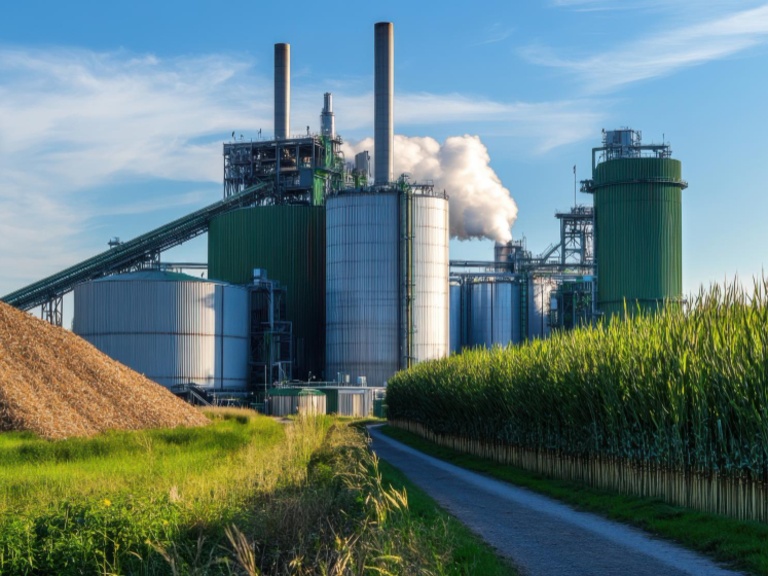
The sugar industry stands at a crucial intersection of traditional agricultural processing and modern sustainability imperatives. As sugar mills worldwide seek to optimize their operations while minimizing environmental impact, the implementation of advanced Bagasse Handling Systems has emerged as a cornerstone of operational efficiency and eco-friendly production. This fibrous residue, once considered mere waste, now represents a valuable resource that demands sophisticated management solutions.
Understanding Bagasse: From Waste to Resource
Bagasse is the fibrous matter that remains after sugarcane stalks are crushed to extract their juice. For every ton of sugarcane processed, approximately 250-300 kilograms of bagasse is generated. Historically viewed as a disposal challenge, this byproduct has evolved into a critical asset for sugar mills. Modern facilities utilize bagasse as a renewable fuel source for cogeneration plants, producing steam and electricity that power mill operations and often contribute surplus energy to regional power grids.
The transformation of bagasse from waste to wealth hinges on effective handling and processing systems. Without proper infrastructure, bagasse can create operational bottlenecks, safety hazards, and environmental concerns. Conversely, well-designed Bagasse Handling Systems unlock significant economic and environmental benefits while ensuring smooth mill operations.
The Critical Role of Bagasse Handling Systems
Implementing comprehensive Bagasse Handling Systems addresses multiple operational challenges simultaneously. These systems must manage substantial volumes of material continuously, ensuring uninterrupted flow from crushing units to storage facilities and ultimately to boilers or processing units. The efficiency of these systems directly impacts overall mill productivity, energy generation capacity, and environmental compliance.
Modern sugar mills require handling systems that can accommodate variable moisture content, prevent material degradation, minimize dust generation, and maintain consistent feed rates to downstream processes. The complexity of these requirements necessitates engineered solutions that integrate mechanical conveyance, storage management, and process automation.
Components of Modern Bagasse Handling Systems
A complete bagasse management infrastructure comprises several integrated components, each designed to address specific operational needs.
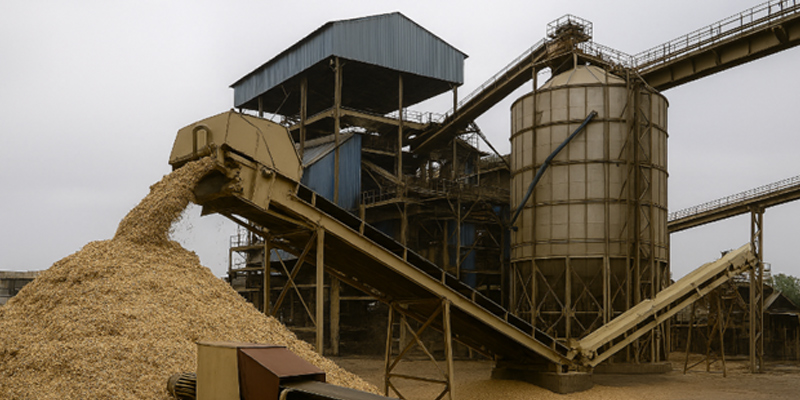
Conveying Systems form the backbone of bagasse movement within mill facilities. Belt conveyors, specifically designed to handle fibrous materials, transport bagasse from crushing units to storage areas and boiler feed systems. These conveyors must feature adequate width, appropriate belt speeds, and sufficient power to manage the unique characteristics of bagasse, including its low bulk density and tendency to bridge or compact.
Storage Facilities play a crucial role in buffering supply and demand variations. Bagasse storage typically involves covered or semi-covered warehouses that protect the material from excessive moisture while allowing controlled drying. Strategic storage management ensures consistent moisture content, optimizing combustion efficiency in boilers. Well-designed Bagasse Handling Systems incorporate storage solutions that facilitate natural drainage, prevent spontaneous combustion, and enable efficient reclaiming operations.
Reclaiming and Feeding Equipment extracts stored bagasse and delivers it to boilers at controlled rates. This equipment must handle material that may have settled, compacted, or developed varying moisture profiles during storage. Bridge breakers, reclaimers, and metering feeders work in concert to maintain steady fuel flow to combustion systems.
Dust Suppression and Environmental Controls address the particulate matter generated during bagasse handling. Advanced systems incorporate dust collection points, enclosures at transfer stations, and moisture management to minimize airborne particles, protecting worker health and meeting environmental regulations.
Sustainability Advantages of Advanced Bagasse Handling Systems
The environmental credentials of modern Bagasse Handling Systems extend well beyond waste reduction. By enabling efficient bagasse utilization for cogeneration, these systems transform sugar mills into net energy producers. This renewable energy generation displaces fossil fuel consumption, reducing carbon emissions and contributing to climate change mitigation efforts.
Efficient bagasse management also supports circular economy principles within the sugar industry. Beyond energy generation, processed bagasse serves as raw material for manufacturing paper, particleboard, biodegradable packaging, and agricultural mulch. Sophisticated Bagasse Handling Systems can be configured to divert portions of the bagasse stream to these alternative applications, creating additional revenue streams while further reducing waste.
Water conservation represents another sustainability dimension. Modern handling systems incorporate moisture management strategies that optimize bagasse drying without requiring additional energy inputs, utilizing natural air circulation and strategic storage configurations to achieve desired moisture levels.

Operational Efficiency and Economic Benefits
Investment in advanced Bagasse Handling Systems delivers tangible operational improvements that translate directly to economic advantages. Automated material flow reduces labor requirements while eliminating manual handling hazards. Consistent material preparation ensures optimal boiler performance, maximizing energy recovery and minimizing unburned residue.
Minimizing bagasse degradation during handling preserves its calorific value, directly impacting energy generation efficiency. Systems designed to prevent excessive fiber breakage maintain the structural integrity that facilitates efficient combustion and supports alternative utilization pathways.
Reduced downtime represents another significant benefit. Reliable conveying and storage systems minimize interruptions to mill operations, maintaining production continuity. Preventive maintenance capabilities built into modern systems allow scheduled servicing without emergency shutdowns.
Technology Integration and Automation
Contemporary Bagasse Handling Systems increasingly incorporate sophisticated control systems and automation technologies. Programmable logic controllers (PLCs) coordinate material flow, optimize storage utilization, and regulate feeding rates based on real-time demand signals from boilers and other consuming processes.
Sensor technologies monitor critical parameters including material flow rates, moisture content, temperature profiles in storage areas, and equipment performance indicators. This data enables predictive maintenance, process optimization, and early detection of potential issues before they escalate into operational disruptions.
Integration with overall mill management systems provides visibility into bagasse availability, consumption patterns, and energy generation performance. This holistic data environment supports strategic decision-making regarding production scheduling, energy sales, and resource allocation.
Selecting the Right System for Your Mill
Choosing appropriate Bagasse Handling Systems requires careful consideration of mill-specific factors. Production capacity determines volumetric handling requirements and storage needs. Plant layout influences conveyor routing, elevation changes, and transfer point configurations. Local climate affects storage design and moisture management strategies.
Future expansion plans should inform system design, ensuring scalability and adaptability to growing operational demands. Energy generation objectives, whether focused solely on mill self-sufficiency or including grid export capabilities, shape system specifications and capacity requirements.

Maintenance and Long-Term Performance
Sustaining the performance of Bagasse Handling Systems demands proactive maintenance strategies. Regular inspection of conveyor belts, bearing assemblies, drive components, and structural elements prevents premature failures. Lubrication schedules, alignment checks, and wear monitoring extend equipment service life while maintaining operational reliability.
Seasonal variations in sugarcane quality and moisture content require operational adjustments to handling systems. Maintenance programs should incorporate flexibility to accommodate these cyclical changes, adjusting equipment settings and cleaning frequencies as needed.
Training personnel in proper system operation and basic troubleshooting builds operational resilience. Well-trained teams can identify developing issues early, execute routine maintenance effectively, and respond appropriately to abnormal conditions.
Conclusion
The evolution of Bagasse Handling Systems from simple waste disposal solutions to sophisticated resource management infrastructure reflects the sugar industry’s maturation toward sustainability and operational excellence. These systems enable mills to extract maximum value from every ton of sugarcane processed, generating renewable energy, creating alternative product streams, and minimizing environmental impact.
As regulatory pressures increase and sustainability expectations rise, investment in advanced bagasse handling infrastructure transitions from optional enhancement to operational necessity. Mills that embrace comprehensive handling solutions position themselves advantageously for a future where resource efficiency and environmental stewardship define competitive success.
The journey toward optimized bagasse utilization begins with recognizing this material’s inherent value and implementing the systems necessary to unlock it. Through thoughtful system design, technology integration, and operational commitment, sugar mills can transform bagasse from a handling challenge into a cornerstone of sustainable, profitable operations.